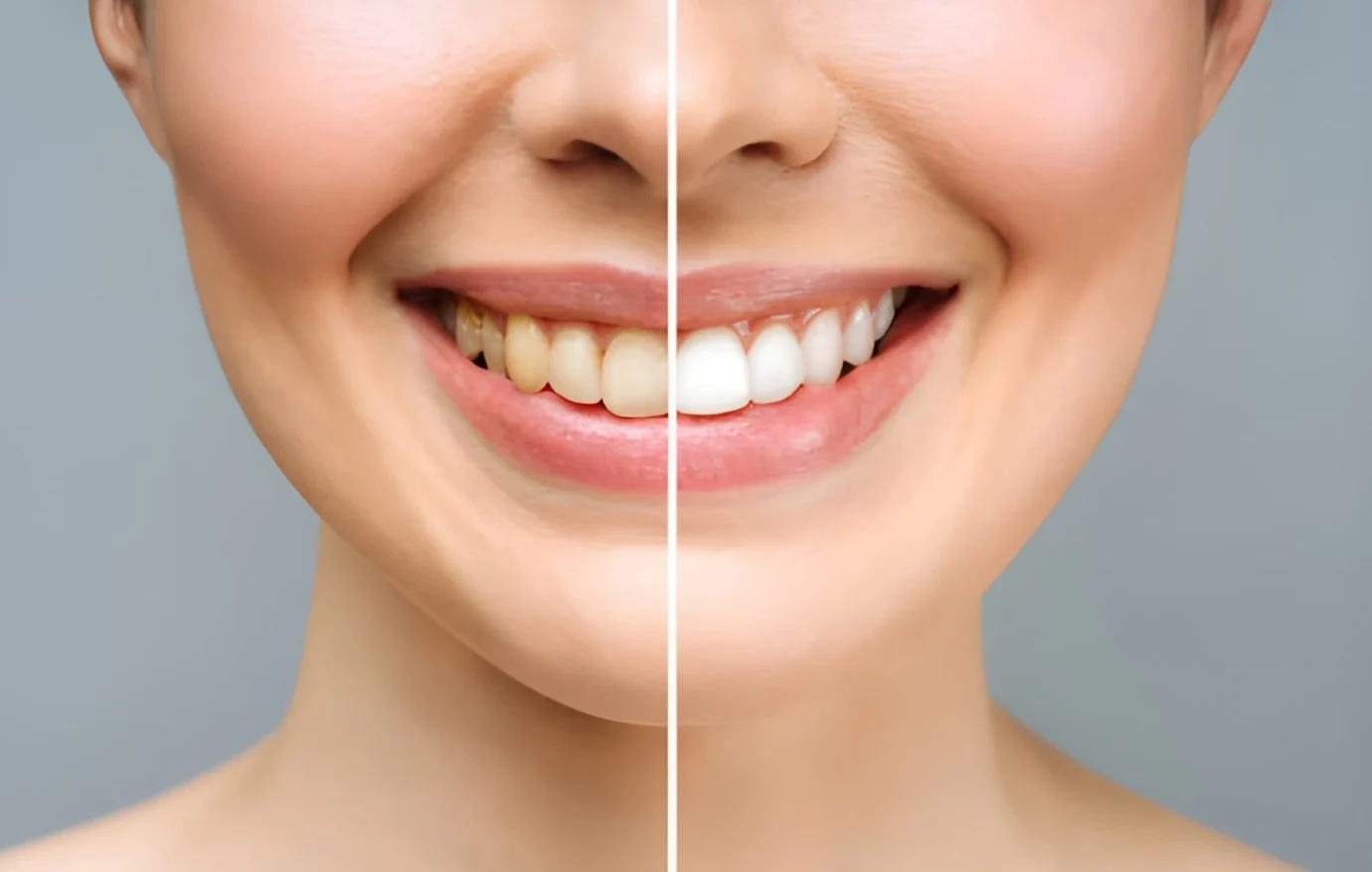
Restore your smile with high-quality dental crowns and bridges in Islamabad. Whether you have a damaged, weakened, or missing tooth, our custom restorations are designed to improve function, appearance, and long-term oral health. We use durable, natural-looking materials to help patients smile, speak, and chew with confidence.
Protect weakened teeth with durable, custom-made dental crowns.
Custom-crafted crowns and bridges designed to match your natural smile.
High-quality zirconia and porcelain restorations for durability and aesthetics.
Treatment recommendations tailored to your oral health and smile goals.
Helping Islamabad patients restore confidence and dental function.
Posted on GoogleTrustindex verifies that the original source of the review is Google. I recently had a root canal treatment with dr faisal zahoor and the experience was far better than I expected. Like many people, I was nervous because I had heard root canals are painful, but Dr. Faisal explained everything clearly and made me feel comfortable from the start. The procedure was surprisingly painless, and I felt very little discomfort during treatment. The clinic was clean, modern,, and the staff were professional and welcoming throughout my visits. What impressed me most was Dr. Faisal's attention to detail and willingness to answer all my questions. He took the time to explain the condition of my tooth, the treatment plan, and what to expect afterward. My tooth pain was completely resolved, and I was able to return to normal activities very quickly.Posted on GoogleTrustindex verifies that the original source of the review is Google. I recently got my lower wisdom tooth extracted by Dr. Rabia Noor, and I had a really smooth experience. She was extremely patient and calm throughout the process, and explained everything to me in detail, which made me feel comfortable and less anxious. Even though it was a surgical extraction, she handled it so gently and professionally that the whole procedure felt much easier than I expected. I would definitely recommend Dr. Rabia Noor to anyone looking for a skilled, kind, and reassuring dentist.Posted on GoogleTrustindex verifies that the original source of the review is Google. I recently had my filling done by Dr. Faisal zahoor , and I couldn’t be more pleased with the outcome. There was a small hole in my tooth that I felt and I thought its just a simple cavity. He has done some x rays and told me that filling is deep and very close to the nerve and he did deep filling in my tooth. and I have been on follow up from past one month and it is a success tooth is fine now and no pain at all. The procedure was comfortable throughout, taking the time to explain each step to help me reduce my anxiety .He even ask me at every expression of my face that if was in pain. I definitely be coming again for my dental treatment.Posted on GoogleTrustindex verifies that the original source of the review is Google. I had a really pleasant experience at The Urban Dentist. I went in for a scaling and polishing and also had a chipped tooth that was sharp and kept hurting my tongue. Dr. Faisal took care of both concerns in the same visit. The scaling was thorough, and he rebuilt the tooth so it no longer causes any irritation. The clinic has a calm, professional atmosphere and the staff were welcoming throughout. If you're looking for a dentist who's both skilled and genuinely patient-focused, I'd recommend giving Dr. Faisal a visit. I'll definitely be back.Posted on GoogleTrustindex verifies that the original source of the review is Google. Had a great experience at The Urban Dentist in Islamabad. I came from muzaffarabad as my cousin recommended me to dr faisal Zahoor. The clinic was clean and the staff was very professional and friendly. He did some x rays and explained everything clearly and made the treatment comfortable the injection was so smooth i didn't feel it. Highly recommended for anyone looking for quality dental care in IslamabadPosted on GoogleTrustindex verifies that the original source of the review is Google. I had a great experience with Dr. Faisal Zahoor! I went in for fillings and teeth cleaning and everything was handled so professionally and smoothly. He was very gentle throughout the procedures and made sure I was comfortable at every step. He explained the treatment clearly, which really helped me feel at ease. The cleaning was thorough, and my teeth feel so clean, while the fillings feel completely natural with no discomfort. Although there was a little sensitivity afterwards which was manageable with medicines and toothpaste which lasted couple of days. Highly recommend Dr. Faisal Zahoor for anyone looking for skilled and caring dental treatment!

A dental crown is a tooth-shaped cap placed over a damaged or weakened tooth to restore its original shape, size, strength, and appearance. A dental bridge, by contrast, is a prosthetic device used to replace one or more missing teeth by anchoring an artificial tooth — known as a pontic — between two crowned teeth on either side of the gap. Together, crowns and bridges form the backbone of dental restoration for patients dealing with everything from minor fractures to significant tooth loss.
Both treatments fall within the broader category of dental restorations, and both serve the same core purpose: returning teeth to normal function while protecting the surrounding oral structures from further deterioration.
Dental Crown (Cap): A dental cap is a tooth-shaped covering that encases a damaged or weakened tooth to restore its shape, size, strength, and appearance.
Dental Bridge: A bridge consists of two or more crowns (caps) attached to artificial teeth that replace missing teeth. It is anchored to adjacent natural teeth or dental implants.
Dental crowns suit a wide range of patients and clinical situations. Those with teeth that are severely decayed, cracked, broken, or weakened after a root canal procedure are strong candidates. Crowns also serve a protective function for teeth at risk of fracture due to large existing fillings or structural compromise.
Dental bridges in Islamabad are most suitable for patients who have lost one or more teeth and have healthy, structurally sound teeth on either side of the gap. Good oral health is a prerequisite — active cavities, gum disease, or significant bone loss will need to be addressed before bridge placement proceeds.
Patients who are not suitable candidates for dental implants due to medical conditions, bone density concerns, or cost constraints often find that a tooth-supported bridge provides an excellent and more immediately accessible alternative. A dentist will conduct a full clinical assessment to determine which restoration type best matches the individual patient’s needs.
60–120 Minutes
Digital Assessment
3–7 Days
10–15+ Years
Best for front teeth as they provide a natural look.
Highly aesthetic and can be color-matched to adjacent teeth.
Extremely durable and resistant to wear.
Less aesthetic but ideal for back teeth due to their strength.
Offers both strength and aesthetics.
Can wear down opposing teeth over time.
Highly durable with a natural appearance.
Resistant to chipping and cracking.
Less expensive but more prone to wear and fractures.
Suitable for temporary crowns.
Traditional Bridges
Most common type, supported by crowns on adjacent teeth.
Suitable when there are healthy teeth on both sides of the gap.
Cantilever Bridges
Used when only one adjacent tooth is available to support the bridge.
Less stable compared to traditional bridges.
Maryland Bridges
Uses a metal or porcelain framework bonded to the back of adjacent teeth.
A more conservative approach that requires minimal tooth alteration.
Implant-Supported Bridges
Instead of being supported by natural teeth, the bridge is secured with dental implants.
Provides greater stability and durability.
Choosing crown and bridge treatment in Islamabad brings meaningful advantages — both in the short term and over the years that follow.
The most immediate benefit is the restoration of normal function. Patients who have been avoiding certain foods due to tooth pain, sensitivity, or instability find that a well-fitted crown allows them to chew comfortably and confidently again. Missing teeth replaced with a dental bridge restore the ability to bite evenly, which reduces unnecessary strain on remaining natural teeth.
Aesthetically, modern crowns and bridges — particularly those fabricated from porcelain or zirconia — are virtually indistinguishable from natural teeth. Zirconia crown Islamabad treatments have grown in popularity precisely because zirconia combines exceptional strength with a tooth-coloured appearance, making it ideal for both front teeth and high-load molar restorations.
For patients who have lived with a visible gap or a visibly damaged tooth, the confidence that comes with a restored smile is immediate and significant.
Beyond the initial transformation, crowns and bridges deliver lasting oral health benefits when cared for properly. A crown seals a damaged tooth from further bacterial infiltration, reducing the risk of decay progressing deeper into the tooth structure or root. This protective function can extend the lifespan of a tooth that might otherwise require extraction.
Bridges address a lesser-known but important consequence of missing teeth: bone resorption. When a tooth is lost, the jawbone beneath it begins to lose density over time due to the absence of stimulation from chewing forces. While a bridge does not prevent bone loss as effectively as a dental implant, it does restore chewing function to the area and prevents the surrounding teeth from drifting into the gap — a shift that can lead to misalignment, bite problems, and further tooth loss down the line.
Patients who maintain consistent oral hygiene — including regular flossing around and beneath the bridge structure — and attend routine dental check-ups can expect their restorations to perform well for a decade or more.
Natural-looking bridges help restore function, appearance, and smile stability.
Watch this short video to learn how dental crowns and bridges restore damaged or missing teeth, what to expect during treatment, available material options, and how these restorations help improve function, comfort, and smile aesthetics.
Treatment begins with a comprehensive consultation during which the dentist evaluates the affected or missing tooth, surrounding teeth, gums, and bite using clinical examination and diagnostic imaging. A personalised treatment plan is then developed and discussed, including the most suitable crown or bridge option, materials, and expected outcomes. The following flow chart outlines the journey from assessment and treatment planning to restoration placement and follow-up care.
A comprehensive dental examination is performed to evaluate the condition of your teeth and determine the most suitable crown or bridge treatment. Digital X-rays and clinical assessments help create a personalized treatment plan tailored to your oral health needs.
The affected tooth is carefully reshaped to create space for the crown or bridge. This step ensures a secure fit, proper function, and natural appearance while preserving as much healthy tooth structure as possible.
Precise digital scans or dental impressions are taken to capture the exact shape of your teeth and bite. These records are used to design a custom restoration that blends seamlessly with your natural smile.
The impressions are sent to a dental lab, where skilled technicians fabricate the final crown or bridge according to the dentist’s specifications. This stage typically takes one to two weeks. For clinics using in-house CAD/CAM technology, same-day crown delivery compresses this into a single appointment.
The patient returns for the final bridge or crown fitting. The restoration is tried in for fit, bite, and aesthetics before being permanently bonded using dental-grade cement. Minor adjustments are made as needed to ensure the bite feels natural and comfortable.
A follow-up appointment may be scheduled after a few months to confirm the restoration has settled well and the surrounding oral health remains stable.
The cost of dental crowns and bridges in Islamabad depends primarily on the material selected, the number of units required, and the complexity of the restoration. Different crown materials offer varying levels of strength, aesthetics, and longevity, allowing treatment to be tailored to both functional and cosmetic needs.
At The Urban Dentist Islamabad, treatment options include:
Metal crowns are generally the most economical option but are typically reserved for back teeth where aesthetics are less important. PFM crowns offer a balance of durability and appearance, while zirconia and E-Max restorations are preferred for patients seeking highly aesthetic, natural-looking results. Gold restorations remain a durable option in selected cases.
For dental bridges, the total cost depends on the number of units involved. A bridge replacing one missing tooth generally requires multiple units, so the final fee is calculated according to the number of crowns and pontics included in the restoration.
Additional factors that may influence treatment costs include digital imaging, laboratory fabrication techniques, and any preparatory procedures required before crown or bridge placement, such as root canal treatment, tooth extraction, or gum therapy.
During your consultation, our dentists perform a comprehensive examination and provide a personalised treatment plan with transparent pricing, ensuring you understand all available options before treatment begins.
Gold Crown / Onlay / Bridge Note:
For gold restorations, the gold is supplied by the patient. Approximately 10 grams of gold is typically required, depending on the size and design of the restoration. After fabrication and polishing, any unused gold is returned to the patient. The listed PKR 60,000 fee covers laboratory and fabrication charges only and does not include the cost of gold.
When a tooth is cracked, severely decayed, or missing entirely, the impact reaches well beyond appearance. Everyday functions like chewing, speaking clearly, and maintaining proper bite alignment all depend on a complete, structurally sound set of teeth. Dental crown Islamabad treatments offer one of the most reliable and time-tested solutions in restorative dentistry — rebuilding damaged teeth from the outside in and replacing missing ones through carefully crafted dental bridges. For patients in Islamabad seeking durable, natural-looking tooth restoration, crowns and bridges represent a treatment pathway that delivers both functional recovery and lasting oral health.
Custom treatment plans designed to restore both function and aesthetics.
Premium zirconia and porcelain restorations built for strength and longevity.
Restorations carefully matched to blend with surrounding teeth.
Clear treatment planning, transparent guidance, and long-term follow-up support.
Schedule your crowns and bridges consultation in Islamabad today and discover restorative solutions designed to improve comfort, confidence, and long-term oral health.
Evidence-Based Dentistry | Modern Treatment Standards | Trusted by Thousands of Patients
This page has been written and medically reviewed by Dr. Faisal Zahoor, BDS, Founder of The Urban Dentist. With 8+ years of clinical experience and certification in Dental Implantology, Dr. Faisal has helped thousands of patients achieve healthier, more confident smiles through evidence-based dental care.
All information is reviewed for clinical accuracy and reflects current dental standards, professional experience, and best practices in modern dentistry.
Last Reviewed: June 5, 2026
Recovery from crown and bridge placement is generally straightforward. Some patients experience mild sensitivity or slight gum tenderness in the days following the procedure, which typically resolves on its own. Chewing on very hard or sticky foods immediately after treatment is best avoided while the cement fully cures.
Long-term aftercare focuses on protecting the restoration and the teeth surrounding it. Brushing twice daily remains essential, and flossing — including using a floss threader or interdental brush to clean beneath the bridge pontic — is critical for preventing plaque accumulation at the gumline. Patients who grind their teeth at night may be advised to wear a custom night guard to protect both natural teeth and restorations from excessive wear.
Attending regular dental check-ups allows the dentist to monitor the condition of the crowns and bridges, check the health of supporting teeth and gum tissue, and catch any issues early. With consistent care, these restorations perform reliably for many years.
Whether you have a damaged, weakened, or missing tooth, our dentists can recommend a customised crown or bridge solution to restore function, appearance, and confidence. Early treatment helps prevent further damage and supports long-term oral health.
Conveniently located for patients from F-6, F-7, F-8, F-10, F-11, G-8, G-9, G-10, G-11, E-11, Blue Area, DHA, Bahria Town, Rawalpindi, and surrounding areas.
The Urban Dentist Office 3, First Floor, Pakland Medical Centre, F-8 Markaz, Islamabad
Call: 0317-5691885
Remove plaque, tartar, and surface stains with professional scaling and polishing for healthier gums and fresher breath.
Safe and comfortable removal of damaged, infected, or problematic teeth using modern dental techniques.
Save infected or severely damaged teeth while relieving pain and restoring normal function.
Book a consultation today and get a personalised treatment plan from an experienced orthodontist in Islamabad.